The Importance of ISO 9001 Certification in Welding Services
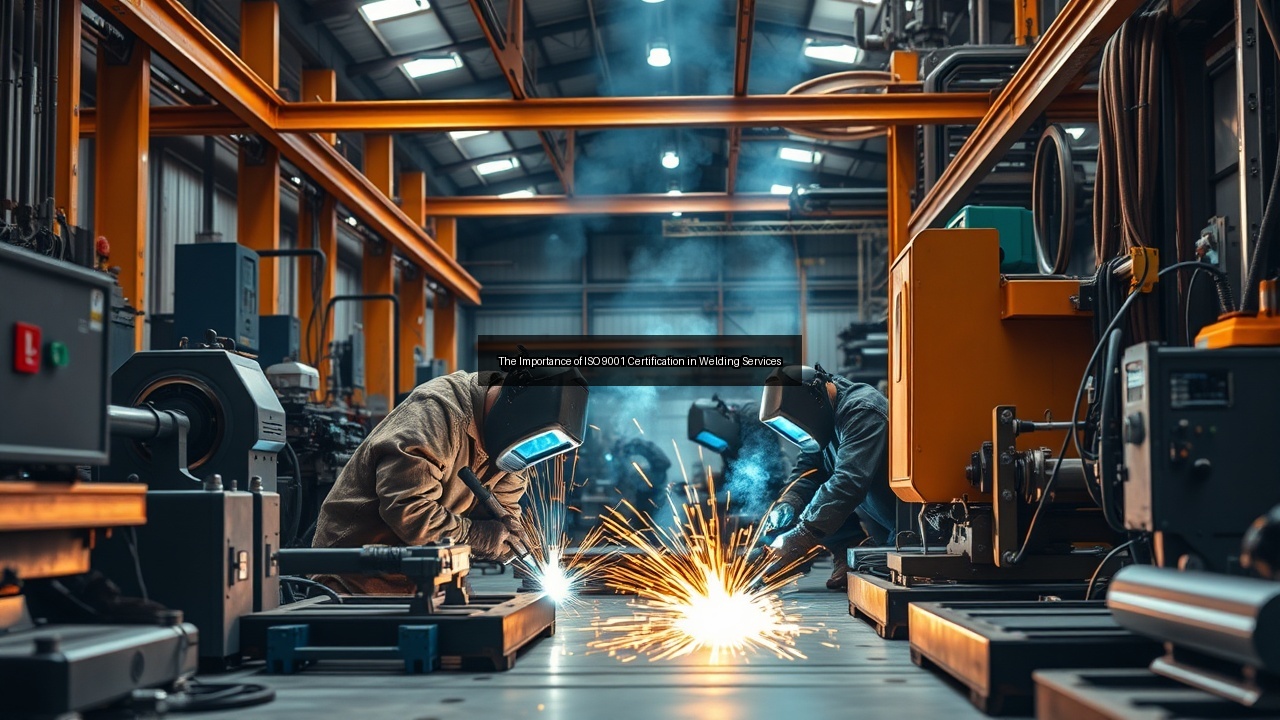
Understanding ISO 9001 Certification in Welding Services
What is ISO 9001 Certification?
ISO 9001 certification represents a global standard for quality management systems (QMS). It establishes criteria for organizational processes to ensure consistent quality in products and services. In the context of welding and fabrication, ISO 9001 certification indicates a commitment to maintaining high standards in operations, from the initial design phase to the final inspection of the welded structures. This certification reflects a company’s ability to meet customer requirements and enhance satisfaction through effective quality management practices. It applies to various sectors, including manufacturing, aerospace, construction, and custom welding and fabrication services, making it a versatile and essential credential.
Benefits of ISO 9001 Certification in Welding
ISO 9001 certification offers numerous advantages for companies engaged in welding and fabrication. Firstly, it enhances quality control by establishing standardized procedures for welding processes, ensuring that every weld meets rigorous specifications. This consistency reduces the likelihood of defects and rework, ultimately saving costs. Secondly, certification improves operational efficiency by streamlining the fabrication process. Organizations can identify bottlenecks and implement corrective actions, leading to better workflow. Additionally, ISO 9001 fosters a culture of continuous improvement, encouraging companies to regularly assess and refine their practices. Certification also enhances a company’s reputation, making it a preferred partner for clients seeking reliable welding and fabrication services.
Key Requirements for ISO 9001 Certification
Achieving ISO 9001 certification involves meeting specific requirements set forth by the standard. Organizations must establish a quality management system that encompasses key processes such as document control, corrective actions, and internal audits. The commitment to customer satisfaction is paramount; companies must demonstrate their ability to consistently provide products that meet customer and regulatory requirements. Moreover, organizations must engage in continuous training and development to ensure that all welders and technicians possess the necessary expertise. This focus on training extends to machinery and tools, ensuring that employees are adept at using advanced technologies like MIG, TIG, and SMAW welding processes. Inspections, both of the welding work and the overall quality management system, are crucial to maintaining compliance and achieving certification.
The Impact of ISO 9001 on Welding and Fabrication Processes
Quality Control in Welding and Fabrication
Quality control is a cornerstone of the welding and fabrication industry, particularly when adhering to ISO 9001 standards. The standard emphasizes systematic fabrication company inspection methods throughout the fabrication process, from initial material selection to final product delivery. By implementing rigorous quality checks, companies can identify defects early, reducing the risk of costly rework and ensuring that welded structures meet specified tolerances and safety standards. This focus on quality control not only enhances the durability of metal products—be it aluminum, alloy, or other materials—but also builds trust with clients who rely on these structures for critical infrastructure and applications. As a result, organizations that adopt ISO 9001 achieve a reputation for reliability and excellence in welding and fabrication services.
Streamlining the Fabrication Process with ISO 9001
ISO 9001 certification streamlines the fabrication process by introducing standardized workflows and practices that enhance operational efficiency. Companies can map out their metal fabrication processes, identifying key stages from design to manufacturing and final inspection. By documenting each step and establishing best practices, organizations minimize variability and increase predictability in production. This structured approach enables better allocation of resources, including manpower and machinery, ensuring that welders and technicians work efficiently. Furthermore, automation technologies can be integrated into the workflow, enhancing precision and reducing manual errors. Ultimately, a streamlined fabrication process leads to faster turnaround times, lower costs, and higher customer satisfaction, reinforcing the value of ISO 9001 certification.
Enhancing Workflow Efficiency through ISO Standards
Enhancing workflow efficiency becomes attainable through the implementation of ISO standards in welding and fabrication. The standard encourages organizations to analyze their current processes and identify areas for improvement. By leveraging automated technologies, such as robotic welding systems or advanced CNC machines, companies can increase production rates while maintaining high-quality standards. The integration of these technologies not only reduces labor costs but also minimizes waste and energy consumption throughout the fabrication process. Additionally, standardized procedures facilitate better communication among team members, ensuring everyone is aligned with project goals. This collaborative environment drives innovation and enables companies to respond swiftly to client demands, further solidifying the importance of ISO 9001 certification in the welding industry.
Technological Advancements and ISO 9001 in Welding Services
Integration of Automated Technologies in Welding
The integration of automated technologies in welding services has transformed the industry, aligning well with ISO 9001 standards. Automation enhances precision and consistency in welding processes, particularly for repetitive tasks that require uniformity. Advanced robotic welding systems, for instance, can execute high-speed welding operations with minimal human intervention, reducing the risk of errors. This technological advancement not only boosts productivity but also allows skilled welders to focus on more complex tasks that require human expertise and creativity. As companies aim for ISO 9001 certification, the incorporation of these automated technologies supports the standard's goals of improving quality and efficiency, ultimately leading to superior welding and fabrication outcomes.
Role of Advanced Machinery and Tools in Compliance
Advanced machinery and tools play a crucial role in achieving compliance with ISO 9001 standards in welding and fabrication. Modern welding machines, whether for MIG, TIG, or GMAW processes, feature sophisticated controls and monitoring systems that ensure precise welding parameters. These tools not only enhance the quality of welds but also facilitate compliance with safety and regulatory requirements. Regular maintenance and calibration of machinery are essential to uphold quality standards, and ISO 9001 emphasizes documentation of these practices as part of the quality management system. Investing in advanced tools and machinery enhances a company's ability to meet customer expectations, reduce defects, and maintain a competitive edge in the welding and fabrication market.
Innovations in Welding Techniques: MIG, TIG, and More
Innovations in welding techniques have revolutionized the welding and fabrication industry, allowing for greater versatility and efficiency in metalworking. MIG (Metal Inert Gas) and TIG (Tungsten Inert Gas) welding are two prominent techniques that have evolved significantly. MIG welding, known for its speed and ease of use, is particularly effective for aluminum and other lightweight metals, while TIG welding offers precision and control, making it ideal for intricate designs and high-quality finishes. These advancements not only improve the quality of welded joints but also align with ISO 9001’s emphasis on maintaining high standards. Companies that adopt these innovative welding techniques often experience reduced production times and enhanced customer satisfaction, reinforcing their commitment to quality and compliance.
Sustainability and Cost-Effectiveness in ISO 9001 Certified Fabrication
Reducing Waste and Energy Consumption
Sustainability has become a critical focus in welding and fabrication, and ISO 9001 certification supports this initiative by promoting practices that reduce waste and energy consumption. Implementing a quality management system encourages companies to analyze their production processes and identify inefficiencies that lead to material waste. Techniques such as lean manufacturing can be integrated into the fabrication process, optimizing resource use and minimizing excess. Additionally, energy-efficient machinery and tools not only lower operational costs but also contribute to a company’s sustainability goals. By adhering to ISO 9001 standards, organizations demonstrate their commitment to responsible manufacturing practices, appealing to environmentally conscious clients and stakeholders.
Cost Benefits of Quality Assurance in Welding
Quality assurance through ISO 9001 certification translates into significant cost benefits for welding and fabrication companies. By establishing standardized processes and conducting regular inspections, companies can detect and rectify issues before they escalate into costly repairs or rework. This proactive approach minimizes downtime and maintains productivity levels, which is essential in competitive markets. Furthermore, high-quality output reduces warranty claims and enhances customer loyalty, ultimately leading to repeat business. Companies that invest in quality assurance gain a competitive advantage, as they can offer reliable services at competitive prices. The long-term cost savings associated with ISO 9001 certification far outweigh the initial investment, making it a smart choice for fabrication companies.
Long-term Value of ISO 9001 Certification for Fabrication Companies
The long-term value of ISO 9001 certification extends beyond immediate quality improvements. Companies that maintain this certification position themselves as leaders in the welding and fabrication industry, attracting new clients who seek reliability and excellence. The systematic approach to quality management fosters a culture of continuous improvement, encouraging employees to innovate and enhance processes. This culture not only leads to better products but also enhances employee engagement and satisfaction. Additionally, ISO 9001 certification provides a framework for companies to adapt to changing market demands and regulations, ensuring their long-term viability. By prioritizing quality and sustainability, ISO 9001 certified fabrication companies can navigate challenges effectively and thrive in a dynamic business environment.
See Also
- Exploring the Weight and Cost Benefits of Different Metals in Welding
- Understanding the Differences Between MIG and TIG Welding
- Welding Safety Tips Every Fabricator Should Know
- Sustainability in Welding How to Reduce Your Carbon Footprint
- Cost-Effective Metal Fabrication Strategies for Small Businesses