Innovations in Lube Systems How Technology is Changing the Game
The Rise of Automatic Lubrication Systems
Understanding Automation in Lubrication
The advent of automation has revolutionized various industries, and lubrication systems are no exception. Automatic lubrication systems provide a reliable and efficient alternative to traditional lubrication methods. These systems deliver precise quantities of lubricant, such as oil or grease, to various components, including bearings and pumps, ensuring optimal performance. The automation of lubrication minimizes human error and reduces the risk of over-lubrication or under-lubrication, both of which can lead to equipment failure. By employing advanced sensors and controls, these systems can operate continuously, providing lubrication precisely when and where it is needed. This not only enhances the overall efficiency of machinery but also extends the lifespan of critical components.
Key Components of Automatic Lubrication Systems
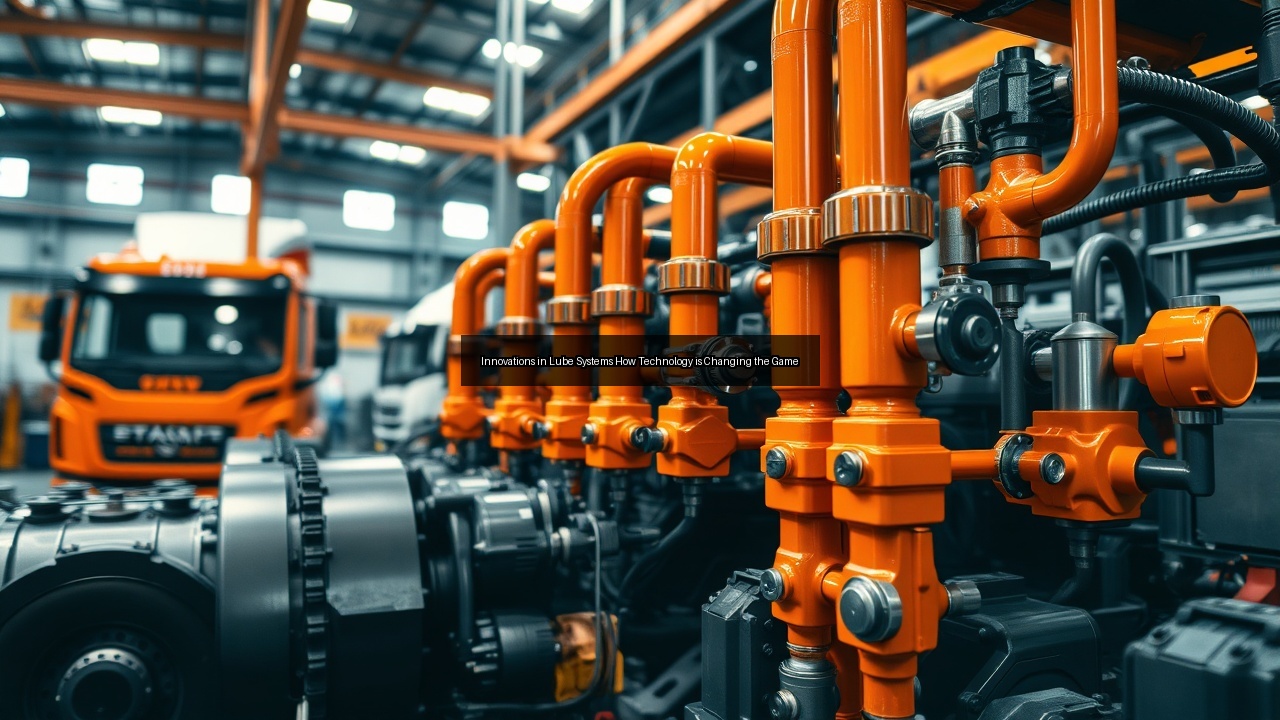
An automatic lubrication system consists of several key components that work in unison to deliver lubrication effectively. Central to these systems are the pumps, which generate the necessary pressure to distribute lubricant to various points. Automatic lubricators, which can be electric or pneumatic, serve as the heart of the system, controlling lubricant flow and distribution. Connectors and hoses ensure that the lubricant reaches its destination, while sensors provide real-time feedback on lubricant levels and flow rates. A well-designed system integrates all these components, allowing for seamless operation across diverse applications, from trucks and trailers to heavy machinery in data centers. Understanding these components helps operators maintain their systems effectively and troubleshoot issues as they arise.
The Role of Pumps in Modern Lube Solutions
Pumps play a critical role in modern lube solutions, acting as the driving force behind lubricant delivery. Various types of pumps are utilized in automatic lubrication systems, including gear pumps, diaphragm pumps, and progressive pumps. Each type has its advantages, depending on the application and the type of lubricant used. For instance, gear pumps are ideal for high-pressure applications, while diaphragm pumps offer versatility for different viscosity levels. The choice of pump directly impacts the reliability and efficiency of the lubrication system. As technology advances, manufacturers continue to develop pumps that enhance performance, reduce energy consumption, and improve overall system reliability. Consequently, selecting the right pump for an automatic lubrication system is crucial for achieving optimal lubrication and minimizing maintenance costs.
Innovations Driving Efficiency and Reliability
Condition Monitoring: A Game Changer for Maintenance
Condition monitoring has emerged as a game changer in maintenance practices, particularly in the realm of lubrication. This innovation leverages advanced sensors and data analytics to monitor the health of machinery in real-time. By integrating condition monitoring with automatic lubrication systems, operators gain valuable insights into the performance and lubrication needs of their equipment. This proactive approach allows for timely maintenance, reducing the likelihood of unexpected breakdowns and costly repairs. Additionally, auto lube system condition monitoring systems can alert operators to potential lubrication issues, such as blockages or inadequate lubricant supply, enabling swift corrective actions. The result is a significant enhancement in reliability and efficiency, leading to lower maintenance costs and extended equipment lifespan.
Impact of Technology on Lubricant Delivery
Technology has profoundly impacted lubricant delivery methods, enhancing the precision and efficiency of automatic lubrication systems. Innovations such as programmable logic controllers (PLCs) and advanced sensors enable real-time monitoring and adjustments based on operational conditions. These technologies facilitate the automatic lube systems accurate delivery of lubricants in controlled quantities, ensuring optimal lubrication at all times. Furthermore, advancements in lubricant formulations, including synthetic oils and advanced greases, improve performance and reduce wear in high-demand applications. As a result, modern lube systems can adapt to varying conditions and demands, making them suitable for everything from heavy-duty trucks to intricate machinery. This adaptability not only enhances operational efficiency but also contributes to sustainability by minimizing waste and optimizing lubricant use.
Enhancing Reliability in Heavy Equipment and Trucks
Heavy equipment and trucks often operate under extreme conditions, making reliability a top priority. Automatic lubrication systems significantly enhance the reliability of these vehicles by ensuring consistent lubricant delivery to critical components. Regular lubrication reduces friction and wear, which is essential for maintaining performance and preventing breakdowns. For instance, in construction machinery and trucks, where downtime can result in substantial financial losses, automatic lubrication systems provide peace of mind. By keeping bearings, pumps, and other critical parts well-lubricated, operators auto lube system can focus on productivity rather than worrying about unexpected repairs. The integration of condition monitoring further supports reliability by alerting operators to potential issues before they escalate, solidifying the role of automatic lubrication as a cornerstone of maintenance strategies.
Cost Benefits of Implementing Automatic Lubrication
Reducing Maintenance Costs with Automation
Implementing an automatic lubrication system can lead to significant reductions in maintenance costs. Traditional lubrication methods often rely on manual application, which can result in inconsistent lubrication and increased wear on components. By automating this process, businesses can minimize labor costs associated with manual lubrication tasks while ensuring that machinery receives the optimal amount of lubricant consistently. Additionally, automatic systems reduce the likelihood of costly breakdowns and repairs caused by lubrication failures. This proactive approach to maintenance translates into substantial savings over time, as operators do not have to contend with the financial burden of unexpected downtime or extensive repairs.
Long-Term Savings: Fewer Repairs and Downtime
Long-term savings are a significant advantage of adopting automatic lubrication systems. By improving the reliability of machinery and reducing the frequency of repairs, businesses can avoid the financial strain of unplanned downtime. Each instance of equipment failure can lead to lost productivity and increased operational costs, impacting profitability. Automatic lubrication systems mitigate these risks by ensuring that equipment receives consistent lubrication, thereby extending the lifespan of components. Over time, the cumulative savings from fewer repairs and less downtime can far outweigh the initial investment in an automatic lubrication system, making it a financially sound decision for businesses prioritizing operational efficiency.
Comparative Analysis: Manual vs. Automatic Lubrication Systems
A comparative analysis of manual and automatic lubrication systems highlights the clear advantages of automation. Manual systems often involve frequent checks and labor-intensive lubrication tasks, which can lead to inconsistencies and human error. In contrast, automatic lubrication systems provide continuous and precise lubricant delivery, enhancing efficiency and reducing the potential for mistakes. Additionally, automatic systems require far less human intervention, which frees up personnel to focus on more critical tasks. When evaluating the long-term costs and benefits, automatic lubrication systems not only prove to be more reliable but also deliver significant savings in labor and maintenance efforts. This analysis underscores the growing trend toward automation across various industries, as businesses recognize the value of efficient and effective lubrication solutions.
Future Trends in Lubrication Technology
Integration of IoT in Lube Systems
The integration of the Internet of Things (IoT) in lubrication technology represents a significant trend shaping the future of automatic lubrication systems. IoT-enabled sensors can monitor lubricant levels, pressure, and flow rates in real-time, providing invaluable data for operators. This connectivity allows for remote monitoring and control, enabling operators to make informed decisions about lubrication needs without being physically present. The data collected can also be analyzed to identify trends and optimize lubrication schedules, further enhancing efficiency. As IoT continues to evolve, expect to see even more sophisticated lubrication systems that can predict maintenance needs and automate responses, significantly reducing downtime and maintenance costs.
The Evolution of Greasers and Automatic Lubricators
Greasers and automatic lubricators have undergone significant evolution in recent years, adapting automatic lube system to the demands of modern machinery and lubrication requirements. New designs focus on enhanced reliability, ease of use, and compatibility with a wider range of lubricants. Innovations such as adjustable flow rates and self-diagnosing capabilities have made these devices more efficient than ever. Moreover, the development of smart lubricators that can communicate with other machinery and maintenance systems marks a pivotal shift in lubrication technology. These advanced lubricators not only ensure optimal lubrication but also contribute to overall system efficiency, reducing wear and tear on components like pumps and bearings.
Emerging Brands and Innovations in Lube Equipment
The market for lubrication equipment continues to expand, with new brands emerging and existing ones innovating to meet the evolving needs of industries. Manufacturers are focusing on developing advanced lubrication solutions that offer greater efficiency, reliability, and ease of use. Innovations such as portable automatic lubrication systems and multifunctional lubricators are gaining traction, catering to diverse applications from industrial machinery to automotive needs. As competition increases, brands invest in research and development to create cutting-edge products that provide tangible benefits to users. This dynamic landscape fosters a continuous cycle of improvement in lubrication technology, ensuring that businesses have access to the most effective solutions for their lubrication needs.
See Also
- Exploring the Benefits of Automated Lubrication for Industrial Equipment
- Maximizing Equipment Lifespan with Advanced Lubrication Technology
- The Impact of Automation on Repair and Maintenance Costs
- Eliminating Downtime The Role of Automated Lubrication in Modern Industries
- The Best Brands for Automatic Lubrication Solutions in 2023